
Making the Most of Your Time on Campus: Experience and Learning from Beyond theClassroom
As a data science master’s student, I have been blown away time and again by the support and opportunities the University offers its students. Here are a few campus features that have really supplemented my coursework.
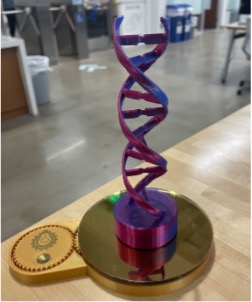
For me, starting a master’s degree unrelated to my undergraduate program or years of work experience was overwhelming. The sheer amount there was to learn was monumental. It didn’t seem possible that eight classes spread across 18 months could possibly teach me all I suddenly needed to know. What I didn’t realize at the time, was that while my coursework may have been designed to introduce foundational concepts, many of the technical skills, problem solving methods, and application strategies I would develop along the way would be honed outside of classes. To any students looking for inspiration on expanding the scope of their education, here are a few campus resources and activities that are designed to help students grow!
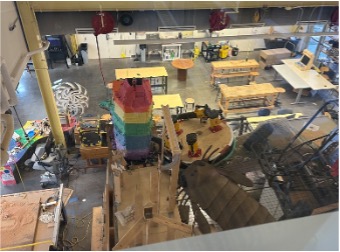
Rettner Hall’s Fabrication Studio and Media Lab: If you’ve ever wanted to learn woodworking or machine shop, create digital art, or refine your audio recording skills, this one’s for you. The “FabLab”, home of the URochester Makers Club, and the Fabrication Shop offer tools, trainings, and tech for students to practice and create with. Further access to digital media and cameras is available to students through the Digital Media Lab and Video Studio. Graduate students with audio engineering experience (or those enrolled in AME 191) may also be able to use specialized equipment available through the Rettner Audio Studio. Whether building prototypes of project ideas, creating content or digital documentation of research, or simply learning a new hobby for fun, students in any variety of disciplines can benefit from exploring the offerings at Rettner!
Graduate (and undergraduate!) Student Clubs and Organizations: In addition to expanding social circles, forging interdisciplinary connections and providing the occasional midday-event snack, student organizations often offer events, coaching, or structures to enable students to develop project ideas and professional skills that can shape their future plans. With 17 graduate student groups and over 270 undergraduate organizations, there is a diverse array of options that bring like-minded students together, offering the community and space to put techniques learned in classes into practice. For those with limited free-time, there are multitudes of one-time student-run events designed to aid research development or career prep as well. Past events have included Leet Code Nights, LinkedIn workshops, research panels, and leadership seminars.
CIRC workshops: The Center for Integrated Research Computing (CIRC) is an essential resource for any student planning to access the University computing resources. In addition to regular workshops connecting new students to the university’s BlueHive servers and frequent research symposia, the CIRC also provides coding bootcamps and crash courses for students and staff with little to no programming experience. Topics range from how to access and use computing environments, introductions to programming languages (including Linux, R, Matlab, C++, and python), and tips for data visualizations for researchers. Workshops occur throughout the semester, as well as during summer and winter breaks, ensuring accessibility for all schedules.
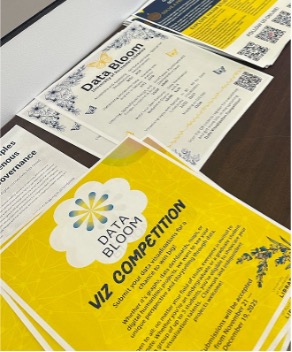
Libraries: Of course, no list of campus resources would be complete without mentioning the libraries. While we have already extolled the benefits of libraries to the busy researcher (check out our previous spotlight on how libraries can support graduate research), our libraries offer so much beyond research support. Services include project planning consultation and design workshops at the iZone, artistic exhibits and competitions such as the Art in Science competition hosted at Carlson, and media/equipment loans for students. As a data science student, I found myself partial to the Data Bloom Workshops – open to all majors and fully beginner-friendly, this series really helped broaden my data visualization competency on multiple platforms.
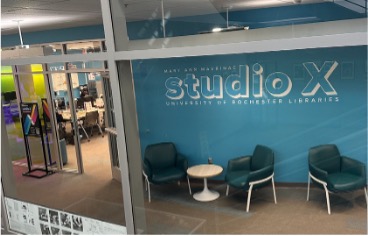
Studio X: Another library resource that shouldn’t be missed! As the extended reality hub on campus, Studio X offers equipment and consulting for everything from 3D environments for gaming, to supporting virtual reality’s incorporation into research, classwork, and healthcare. There are scheduled workshops for students (and faculty!) to try out immersive technologies as well as space reservations and office hours for those looking to access or borrow equipment and software. In the past, classes have also collaborated with Studio X to enhance learning and some students (like my Capstone team!) have used VR in project development and presentations.
Assisting in Research: Nothing teaches quite like hands-on experience. Although many graduate students may take for granted the expectation that they will develop a research project during their program, those of us in non-thesis tracks can still participate in research, internships, or part-time work through responding to interdepartmental research assistant postings, browsing open positions on Joblink, or directly reaching out to professors and faculty in our field of interest. There is never a shortage of research projects in the works at URochester, and jumping into a new project might help you sharpen the analytical abilities you work to build up in classes, or help you develop new ones!
Hackathons: Speaking of hands-on experiences, the campus offers a variety of hackathons and design challenges throughout the school year, which can be a true test of combining technical know-how with innovation. From DandyHacks hosted by the Department of Computer Science, to the GIDS-AI hosted Biomedical Data Science Hackathon, to the Ain Center’s entrepreneurial Heist Hackathon, there are plenty of opportunities for cross-disciplinary collaboration and creation.
With our diverse array of lived experiences, there is no one-size-fits-all pathway to graduate student education, and this is by no means a comprehensive list of all that the campus community has to offer. Taking the time to explore the events and resources here will not only help you form connections, but allow you to develop your interests, skills, and practical knowledge. Personally, engaging in the eclectic, active community at URochester has been a highlight of my graduate program.